Pregnancy Prenatal Massage

Are Prenatal Massages Safe for My Baby and Me?

Pregnancy Prenatal MassageSafety is key when it comes to pregnancy. Women change many things within their lives; cutting caffeine, watching what they eat, and some even changing toothpaste. However, the most consistently questionable method of self-care is prenatal massage.

While touch may not be a concern, deep touch could be a threat to the fetus and the mother. As a result of the pregnancy, the body has obviously changed, organs are in different locations, and a new occupant requires the utmost safety.

Are prenatal massages good for a mommy-to-be?

The short answer-Yes. Not only does it calm the mother, but it also allows the child to be just as relaxed as both their needs are connected. This also, in turn, gives a better sense and feeling of wellness, better rest, and long-term health for the child and mother. Metabolically, the American Pregnancy Association states it assists with hormone regulation and physically reduces the swelling associated with pregnancy.

However, there are some concessions to consider when selecting a prenatal massage therapist.

Not all massage therapists are alike

Your massage therapist should be experienced in and have a specialized certification for prenatal massage therapy. Both a proven certification and a consultation with your doctor should be assured before making an appointment.

As to timing, any time during the pregnancy is allowed if the proper steps and advisories are followed and readied before hitting the table. However, if you have a high-risk pregnancy or past medical history of injury or surgery, you will want to get approval from your physician.

Many of our patients love prenatal massage! You have the right to relax, not worry and enjoy! If you are considering massage during your pregnancy, make sure to check in with your care provider at Mt. Naomi Women’s Health.

Is It Time to See a Fertility Specialist?

The first two or three “negatives” on the home pregnancy test are disappointing but not earth-shattering. By the 6th, 9th, 15th – it can start to feel hopeless.

But is it hopeless? Or do you just need to be more patient? When is it time to keep trying, and when is it time to seek help from a fertility specialist? 

Signs You May Be Facing an Infertility Diagnosis

Infertility factors are more common than you think. The current data tells us that about 12% – or one in eight couples – will struggle to get pregnant. The brunt of infertility diagnoses are shared equally between men and women (called multiple factor infertility), so do make sure that the two of you are making equal efforts to promote fertility health, and both of you should be tested if you’re not getting pregnant within a reasonable time frame.

You’re timing it correctly, and things still aren’t “working”

People mistakenly believe you have to time conception with ovulation. While you do have to ovulate to conceive, waiting until you ovulate means you’re waiting too long because the egg only “lives” for about 12- to 24-hours. The sperm, however, live much longer.

Read, Timing Matters: How to Increase Your Odds of Conception, to make sure you’re “doing it right.”

You’ve been trying for 12-months or more

The reality is that age definitely matters when it comes to both quality and quantity of eggs, so after age 38, time is of the essence, particularly if there’s an unknown-to-you infertility factor in the mix.

  • If you’re 35-years or younger, and you’ve been trying to get pregnant for 12 consecutive months (or longer), it’s time to seek fertility assistance. Odds are, something is requiring specialized attention.
  • If you’re 36- to 40 years old, you should seek help after six consecutive months of trying.
  • If you’re 40-years or older, give yourself three- or four months and then seek help more immediately.

You have a known infertility factor

Conditions such as endometriosis, PCOS, or fibroid tumors are leading causes of female infertility. The caveat is that they aren’t an infertility diagnosis on their own because plenty of women with these conditions get pregnant without assistance. However, suppose you have a diagnosis known to cause infertility. In that case, your doctor will probably want to refer you to a fertility specialist sooner rather than later if you aren’t getting pregnant on your own.

You’ve been pregnant before…but now it’s not working

One of the best things about getting pregnant quickly the first time around is that you have a sense of assurance that you don’t have an infertility problem. Unfortunately, secondary infertility (the inability to get pregnant when you’ve already had a baby) is twice as common as primary infertility – partially the result of age and partly the result of other factors.

If you got pregnant fairly quickly the first time around but are struggling this time – it’s worth checking in with your doctor.

You’ve miscarried for the 3rd (or more) time

One or two miscarriages aren’t that uncommon (but are devastating, just the same). However, three or more miscarriages – particularly in succession – are a sign that something diagnosable is the cause. This could be an anatomical abnormality, or it could be the sign you’re a carrier for a chromosomal or genetic birth defect. Identifying the cause of the miscarriages will help you get pregnant – and stay pregnant – via testing, treatment, and/or an assisted fertility treatment.

Mt. Naomi Women’s Health is here to promote your fertility health and support you through healthy conception, pregnancy, labor, and delivery. If we think an infertility factor is blocking you from getting pregnant, and we aren’t able to treat it, we’ll refer you to the best fertility specialists in the area – and then look forward to providing exceptional prenatal care once you conceive.

pregnant woman contractions

How Do I Know If I’m In Labor?

pregnant woman contractionsYou’d think that something like going into labor to birth a baby would have very noticeable and unmistakable signs. Determining whether or not you are really in labor – or whether it’s time to head to the hospital or birth center- can be a little confusing, especially when it’s your first time around the labor and delivery block.

There are several reasons why it’s so tricky:

  • Braxton-Hicks contractions can do a pretty good job of tricking you into thinking you’re in “real” labor.
  • Labor presents itself differently for different women.
  • Just because you’re in “real” labor doesn’t mean your baby will arrive in the next 24-hours or even 48-hours, depending on what’s going on for your body and your baby.
  • It definitely doesn’t happen as it does in the movies.

Going Into Labor Isn’t Like It Is In the Movies

Let’s start with the last point first; in the movies, it’s so obvious. One moment, a woman is arguing with her mate or grabbing coffee with a friend when – – all of a sudden — she crouches down with her arms over her belly and starts exclaiming she’s in labor.

In real life, this is very rarely the case. While your water breaking (more on that later) may be an abrupt surprise, contractions typically don’t move from 0 – 10 in a blink of an eye. They usually start a little more gently. You may think you have gas, indigestion, or diarrhea, or you may notice a slight tightening of your belly or lower back and think, “Hmm. That’s different. Was that a contraction?”

Over time, the contractions will grow a little bit stronger, a little bit longer, and they will come closer and closer together. That is a better model of how “real” labor starts.

Signs You Are Going Into Labor

How Do I Know If I’m In Labor?

Here are some of the signs that you are going into labor. Pretty soon, your “How do I know if this is labor?” will turn to a definite, “I’m going into labor.”

  1. Your water breaks. This is the most dramatic and common sign that labor is about to start. It’s unmistakable because you’ll feel like you peed your pants. For some women, contractions begin right away, while it can take a little longer for others. There is no need to rush to the hospital because your water broke. Depending on how things progress, you can still move around and go about your day. However, you’ll want to call your OB/GYN and let them know. Most healthcare providers say to labor at home until contractions progress or until you hit the 24-hour mark, whichever comes first. If 24-hours passes, you need to head in so you and the baby can be evaluated.
  2. Your water leaks. Similarly, a small tear or puncture can cause a leak, where amniotic fluid slowly trickles out. You may think – at first – that you are leaking urine because it will make your panties wet and may even soak through a layer of clothes over time. However, a panty liner will do the trick in the meantime, and, like mentioned above, you should give your healthcare provider a call to let them know what’s going on. They’ll let you know how to proceed.
  3. You notice a thick, bloody discharge. Attractively named “bloody show” (we jest!), this pinkish or blood-tinged discharge signifies that labor is close. This is a “plug” that helps to seal your cervix and keep the baby in place. Once it’s released, the cervix will continue to dilate, and labor will commence.
  4. A dilated cervix. Once you hit the 36-week mark, your midwife or OB/GYN will want to see you every week. During these visits, they often check your cervix and will let you know if you’re dilated. Keep in mind that a woman near labor –but not in labor – can walk around for days with a slightly dilated cervix. So, while it’s a sign that labor is close – it’s not time to run to the hospital. Going too early may mean they admit you – and you’re more likely to have your labor induced if you don’t go into labor on your own within 24-hours or so. Better to labor at home until it’s really “time,” minimizing your chances of using unnecessary labor interventions.
  5. Contractions – Are These For Real? There are two types of contractions: Braxton-Hicks contractions and the “real” ones that lead to the birth of your baby. The former are like practice contractions, preparing your body, helping the baby position itself correctly, and warming up for the big event. They can feel fairly intense at times, but they will never escalate the same way real contractions do, and they will ease off and stop once you’re sitting, laying down, or relaxing in a warm bath for a while. Click on the hyperlink to read more about Braxton Hicks Contractions.

Now, for the real thing. Real contractions can start out feeling like a bad case of gas or slight indigestion, and you may even have diarrhea. They will then progress to a tightening of the abdominal and/or back muscles. At first, you can talk through them or breathe naturally. As they increase in intensity, you will have to stop what you are doing or interrupt a conversation to be with yourself and breathe through them.

If this is your first baby, keep in mind that first labors are notoriously longer than usual, so although you may be tempted to skedaddle to the hospital, you are better off laboring at home until it’s really time to avoid being strapped to a fetal monitor or risking being pressured to use interventions that aren’t a part of your birth plan.

With “Real” contractions:

—Being active or laying down won’t make a darn difference; contractions happen anyway.

—Changing positions won’t change their behavior.

—They may sometimes start in your lower back and move across to your lower abdomen. Contraction pressure or pain may even radiate down your legs.

—They become more frequent, more intense, and they may even fall into a predictable, timed pattern.

They come on like waves and, as labor progresses. Those waves come faster and faster together and will get stronger and longer. Contact your healthcare provider when your contractions are distinct, requiring more focus and attention than the initial ones.

  1. The Contraction 4-1-1. So, if they ARE real contractions – then what? Most healthcare providers use the 4-1-1 rule of thumb. This means you should head to the hospital or birthing center when your contractions are 4 minutes apart, last for one minute, and continue for 1-hour.

 Of course, every woman is different, so while these provide general labor guidelines, it’s always best to contact your healthcare provider if you have any questions or simply want to check in. There’s nothing wrong with erring on the side of caution.

Best of luck! Mt. Naomi Women’s Health wishes a safe and happy birthing journey to both you and your baby.

Medical Ultrasound Awareness Month

For Medical Ultrasound Awareness Month, we are excited to share the many ways that ultrasounds can be used in healthcare. The theme for 2021 is “Changing Lives One Scan at a Time”.

What is an Ultrasound?

Diagnostic ultrasound (also called sonography or diagnostic medical sonography) uses high-frequency sound waves to produce images of structures within the body. There are no known risks to getting an ultrasound due to the use of low-power sound waves. However, ultrasounds do have limitations because sound does not travel well through air or bone. Because of this, your doctor may need to order further tests.

Many people associate the word “ultrasound” with pregnancy, but there are many ways we use ultrasounds in healthcare.

How We Use Ultrasounds at the Women’s Centre:

  • Obstetric Ultrasound: This type of ultrasound produces pictures of a baby as well as the ovaries and uterus. It does not use ionizing radiation, so it has no known harmful effects to the mother or baby.
  • Gynecologic Ultrasound: This is used to obtain images of the pelvic organs. There are two types – transvaginal and transabdominal.
  • 3D & 4D Ultrasound: This type of ultrasound shows a complete view of the baby’s face and body. It is not a medical necessity, but a wonderful memory and keepsake.
  • Sonohysterogram: This test provides imaging of the uterus. It is used to diagnose the cause of underlying pelvic pain, infertility, or vaginal bleeding.
  • Nuchal Translucency Sonogram: This is an ultrasound evaluation that is combined with a maternal blood test to evaluate the fetus and identify risks for specific chromosomal abnormalities. This optional test is offered between the 11th and 13th week of pregnancy.

How to Prepare for an Ultrasound

Before your appointment, be sure you wear loose fitting, comfortable clothing. The ultrasound sonographer will need access to your abdomen, so be sure not to wear anything that could restrict access to that area. To get the best possible ultrasound image, be sure you have a full bladder. Before your ultrasound drink two or three glasses of liquid, preferably water. If you are having a sonohysterogram, then you should stop drinking fluids four hours before the exam. Our team will make sure you know how to prepare for your ultrasound exam.

In-office ultrasounds are just one of the ways we are dedicated to providing comprehensive and quality health care services to all women. Contact our office to schedule your appointment!

The post Medical Ultrasound Awareness Month appeared first on OB-GYN Women’s Centre.

Couple with ultrasound photo

We’re Busting 7 Myths About Ultrasounds

Couple with ultrasound photoPrenatal appointments are an essential part of your pregnancy journey. Among other things, we use diagnostic tests and screenings to ensure your baby is growing and developing as s/he should. One of these screening tools is called an ultrasound.

With the mother’s permission, we use ultrasounds at just about every prenatal appointment. It allows us to view the heartbeat and watch the baby’s physical development to ensure everything progresses as it should. 

Ultrasounds aren’t always used during the first prenatal exam, although they might be offered. Instead, we usually use them twice or three times throughout the pregnancy unless there’s a particular reason to do them more often.

Don’t Fall for These 7 Ultrasound Myths

Sometimes, women are afraid to have an ultrasound done or aren’t sure about its efficacy or safety. Or, she simply misunderstands what an ultrasound is altogether. This leads to myths and misunderstandings.

What is an ultrasound?

Simply put, the U.S. National Library of science says, “A pregnancy ultrasound is an imaging test that uses sound waves to create a picture of how a baby is developing in the womb. It is also used to check the female pelvic organs during pregnancy.”

Most often, we use an ultrasound probe on the outside of the belly, but there are times where we may use a vaginal ultrasound, by gently inserting an ultrasound wand into the vagina, to get a picture of the cervix or to see the uterus and developing baby from a different angle.

Read, What to Expect During Your Routine Ultrasound (Sonogram) for more details.

Healthcare providers have used ultrasound imaging on pregnant women for more than 30 years now, and there is absolutely no evidence that they are harmful in any way. That’s why we want to eliminate the following myths, which can inhibit mothers and babies from getting the proactive healthcare they deserve.

Myth #1: Ultrasound vs. Sonogram

There is no “versus.” Ultrasounds and sonograms related to the same procedure. The word “ultrasound” relates to the actual procedure. The “sonogram” is the image produced by the procedure.

Myth #2: Ultrasound is used to see pictures of the baby.

This is true but incomplete. Many women feel there’s no need to get an ultrasound because the prenatal pelvic exam proves the baby is growing on target and the heartbeat is healthy. Therefore, why need an ultrasound?

The thing is, ultrasounds show us more than just the baby. The patient is understandably more focused on the baby’s image, but healthcare providers use ultrasounds to look at the mother’s uterus and pelvic organs simultaneously. We may notice organ or uterus-related issues (such as a previously undiagnosed fibroid tumor) that could compromise your pregnancy or delivery if left untreated.

Myth #3: It’s a quick exam with instant results.

Indeed, the exam is typically pretty quick – between ten and 20 minutes on average, depending on what we find. They can run longer depending on what we find. In either case, we usually rely on radiologists to give us the final results. Radiologists are trained to see and diagnose/comment on things that the ultrasound technician is not. 

Therefore, the complete results of an ultrasound can take hours or a full day to come in.

Myth #4: Ultrasounds are like X-Rays and can be harmful.

This is absolutely not true. Ultrasound technology, including 3-D imaging, relies on gentle soundwaves that bounce off soft and hard tissues to create an image. There is no radiation used at all during the process. And, therefore, there are no risks associated with radiation involved for you or any bystanders.

Ultrasounds slightly elevate the pelvic/abdominal cavity temperature, but this is no more than the natural temperature fluctuations that occur when you exercise, take a warm (not hot) bath or shower. 

Myth #5: You shouldn’t have 3-D ultrasounds during the first 12 weeks.

Myth #5 started because mothers noticed we don’t typically use or offer 3-D ultrasound images before 12 weeks or even later. This is not because 3-D technology is risky or more dangerous; it is because 3-D ultrasounds are not effective early on. 

For the first trimester, and up until around the 20- to 25-week mark, 2-D ultrasounds tell us everything we need to know about the growing embryo. By week s25 – 32, we can use 3D imaging to look more closely at the baby’s finite features. For example, at this point, we would know if your baby has a cleft palate or lip or some other physical congenital defect, so you – and the labor and delivery team – are prepared for that. 

Myth #6: You should get an ultrasound at every appointment.

There is no need. As mentioned in the beginning, most OBs use ultrasounds two or three times during the pregnancy unless there is a reason to check in more often. We schedule them strategically. That said, some patients request them more often because they like the resulting images. 

If you want more than the typical two or three ultrasounds, speak to your healthcare provider. However, do know that your insurance carrier may not cover the costs. 

Myth #7: 3D Ultrasounds are better at determining the gender of your baby.

You’d think this was the case, but it’s not. 3D ultrasounds are the same in terms of how they function – same wand, same sound waves, same process. The difference is the technology used to take those results and create more precise images.

Even so, determining a baby’s gender depends entirely on the baby’s position in the uterus, and some angles provide clearer information than others. 

Still have questions about whether or not you should get a pregnancy ultrasound? We’re here to answer them, and we completely respect your decisions either way. Contact Women’s Health Associates to learn more.

The post We’re Busting 7 Myths About Ultrasounds appeared first on Women’s Health Associates | Kansas City Women’s Health Providers.


5 Ways to Celebrate National Women’s Health and Fitness Day

Did you know the last Wednesday of every September is National Women’s Health and Fitness Day? This is a national holiday to raise awareness and focus on the importance of regular exercise and healthy living for women. Here are 5 ways to celebrate National Women’s Health and Fitness Day.

  • Try a new exercise. Head to your local gym and try some different exercise classes. Or go on YouTube and see what fun exercise videos you can find. Daily movement is important for overall health and wellness. Switching up your routine can keep it more exciting.
  • Consider getting your thyroid checked. This small gland in your neck can cause a variety of health problems if it’s not functioning properly. Talk to your doctor about any symptoms you might be having to see if you should get your thyroid checked.
  • Eating some superfoods. Diet can have a big impact on your health. Add some superfoods to your next meal (think: apples, broccoli, cauliflower, pumpkin, sweet potato, dates, kiwi) to help boost your immune system and keep your heart healthy.
  • Stay hydrated. The old adage is make sure you drink eight glasses of water every day. Whether or not that applies to everyone, it is important to stay hydrated. Water is such an important part of staying healthy and ensuring that everything is working properly.
  • Preventative health screenings. Talk with your healthcare provider about which routine health screenings you should get and how often. Some important ones you should be doing regularly are breast and cervical exams and screenings.

Here at Mt. Naomi Women’s Health, we know how important health and fitness are to women’s overall wellness. From the first gynecological visit, to menopause care, we offer health services for every woman. Our team will be with you from routine check-ups to major surgeries. Contact us with any questions or to schedule your appointment.

The post 5 Ways to Celebrate National Women’s Health and Fitness Day appeared first on OB-GYN Women’s Centre.

conception schedule

Timing Matters – How to Increase Your Odds of Conception

conception scheduleQuestionWhat’s the best time to have sex if you want to get pregnant?

If you’re like most women, you probably answered, “When you’re ovulating….” This is sort of true – however, having sex for the several days leading up to anticipated ovulation is even better. Here’s why:

Ovulation & Fertility – Open That Narrow Window as Wide As Possible

Ovulation is the point in your menstrual cycle when an egg is fully mature and is released into the fallopian tube. This magical moment occurs at different times for every woman. The average menstrual cycle lasts anywhere from 28 to 32 days. This span of time is counted from the first day of one menstrual cycle to the first day of the next. Typically, women ovulate anywhere between day 11 and 21 of their cycle.

To narrow that timing down, it’s always a good idea to track your menstrual cycle each and every time. In the old days, we told women to monitor their waking body temperature using a basal thermometer (which measures body temperature in small increments). An elevation in body temp can signal ovulation. However, these days, we say get online and download an ovulation and fertility tracking app, like Glow, which will begin predicting your most fertile windows based on the information you enter regarding your periods, temperature, and cervical conditions.

Once you have a handle on your cycle, you can begin timing sexual intercourse accordingly.

Increase Chances of Conception By Having Sex BEFORE You Ovulate

Here’s the thing: sperm can live anywhere from two to five days inside your body after you have intercourse. Your mature and freshly released egg(s) only live for about 12 to 24 hours. Thus, the more sperm in place – ready to race to the egg – the better chances you have of getting pregnant.

If you want to conceive naturally, your best bet is to track your menstrual cycle for several months so you can get a better idea of which day you will ovulate. Then, time your sexual encounters such that they occur about five days before the egg will be released and then a few times until you’re sure you’ve already ovulated.

Typically, fertility specialists will recommend that the male half of the equation only ejaculate once, every other day, during this period to increase sperm count and motility. Frequent sex means less sperm available in the semen, so having intercourse every other day – rather than as many times as you possibly can – may increase your odds.

Other things that can increase your odds of conception include:

  • Eat well. The healthier your body, the more willing it is to be pregnant – so eating a healthy, well-rounded diet is always a good idea. Increasing studies have also linked common pesticides and household chemicals with infertility, so we recommend eating a diet as organic and pesticide/hormone-free as you can and minimizing packaged, canned, and processed foods.
  • Exercise regularly. Optimally, you should be exercising for about 30-minutes a day, at least three to four times per week. Do keep in mind that over-exercising can decrease fertility rates. If you are an athlete or observe a more rigorous exercise routine, take it back to a moderate level while you’re trying to conceive and throughout your pregnancy.
  • Schedule an appointment with your OB/GYN. If you’re ready to get pregnant, it’s important to observe your annual exam schedule to ensure that your reproductive organs are healthy and address any issues or symptoms that may indicate a fertility problem.

Contact Women’s Health Associates for more information on conception and pregnancy and cultivate a relationship with a team of doctors and midwives eager to help you achieve optimal health and well-being.

The post Timing Matters – How to Increase Your Odds of Conception appeared first on Women’s Health Associates | Kansas City Women’s Health Providers.

Celebrate Healthy Aging Month

Did you know that September is Healthy Aging Month? This is a time to focus on all the positive aspects of growing older, including physical, social, mental and financial health. We encourage you to celebrate the vibrant, vital, healthy ways we can age and also dispel those old, tired myths about getting older.

Tips for Healthy Aging

  • Stay moving. Exercise on a daily basis. Regular exercise can help prevent a variety of diseases and also improve mental health and lower risk of falls.
  • Stay social. You are never too old to make new friends. Social connections are such an important part of healthy aging. Reconnect with old friends and make an effort to join new social activities. Some ideas could include joining a book club, a walking group, dance class, volunteering or whatever other hobbies you might enjoy.
  • Stay balanced. As we age, the risk of falling becomes greater. Try practicing yoga to help with balance and coordination.
  • Stay healthy. Maintain a balanced diet that emphasizes fruits, veggies, and whole grains.

If you find yourself recently retired and not sure what to do, this is a great opportunity to incorporate these tips for healthy aging into your day-to-day life. It’s also important to learn how to say no. You don’t have to do every activity that you are invited to. Take it one step at a time until you find your comfort level. This is really important for mental health as well as physical health.

Growing older can sometimes make us feel down. Slight mindset changes can lead to a positive, happier life. Healthy Aging Month is a great reminder of all things that should be celebrated about aging!

Health Screenings

Here are some important health screenings you should do during your annual physical. It’s also good to routinely get vision and balance checked and ensure your home is safe to prevent falls.

  • Diabetes: Starting at age 45 and every three years thereafter.
  • Colon cancer: Starting at age 50 and every five years thereafter.
  • Osteoporosis: Start no later than age 65.
  • Blood pressure: Annually starting at age 45.

At Mt. Naomi Women’s Health, our passionate team of healthcare providers is here to help you through this stage of life in a comfortable and compassionate environment. Contact us with any questions or to schedule your  next appointment!

The post Celebrate Healthy Aging Month appeared first on OB-GYN Women’s Centre of Lakewood Ranch.

Anemia

What is Pregnancy Anemia and How to Avoid It

AnemiaSometimes, pregnancy allows you to experience conditions you have never had an issue with before. Perhaps you have always been a go-go-goer, and now you require daily naps. Maybe you’ve always been a picky eater, and now you can’t get enough of some of your formerly-dreaded food items. Then there are the medical situations that can arise – such as gestational diabetes or pregnancy anemia.

The point is, pregnancy can do a number on your body and your well-being without the proper care and treatment.

Learn About Pregnancy Anemia: Causes, Symptoms, and Treatment

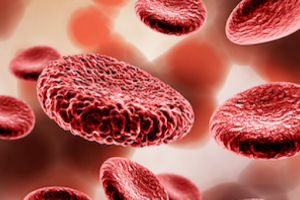
Today, we’re going to focus on pregnancy anemia, which is the most common type of anemia in the United States according to the American Society of Hematology. Your body requires as much as 30 percent more blood during your pregnancy – you’re sharing your blood supply with your baby, after all – and this means it needs more iron to produce those extra red blood cells.

Typically, you acquire iron and the other nutrients you need from the foods you eat – although they can also be assimilated with nutritional supplements. Anemia occurs when your iron supplies are inadequate. This is one reason why regular prenatal visits are so important. Your doctor or midwife will observe routine blood tests that indicate whether or not you have a healthy iron supply.

PLEASE NOTE: A surplus of iron can be more dangerous than a deficiency. Never take an iron supplement without checking first with your healthcare provider. Taking too much iron can harm both you and your sweet developing baby.

There are three different types of anemia related to pregnancy:

  • Iron-deficiency anemia
  • Folate-deficiency anemia
  • Vitamin B12 deficiency

Folic acid and Vitamin B12 are related to producing new, healthy red blood cells, so a deficiency in either of those can also lead to anemia.

What are the symptoms of pregnancy-related anemia?

Some of the symptoms related to pregnancy anemia include:

  • Fatigue
  • Pale skin, lips, and/or nail beds
  • Dizziness
  • Weakness
  • Difficulty concentrating
  • A rapid heartbeat
  • Shortness of breath

This list of symptoms may sound more like a “Welcome to Pregnancy” anthem for many of you. Indeed, many of the symptoms are also characteristic of pregnancy in general. Still, they are worth mentioning to your doctor, especially if you haven’t yet had your blood drawn for testing or if any of them have developed recently.

How is pregnancy anemia treated?

First, we want to reiterate that the best way to treat anemia is never to develop it in the first place. Make sure you’re consuming more-than-normal amounts of veggies and lean proteins that are higher in iron, such as leafy green vegetables (romaine lettuce, kale, broccoli, greens, etc.), lean meats, eggs, and enriched whole grains. Vitamin C helps to facilitate iron absorption, so it also increases your intake of foods like oranges, strawberries, kiwis, tomatoes, and bell peppers. Also, dairy products like milk and cheese can block iron absorption, so keep your dairy separate from your iron-rich foods.

Prenatal vitamins almost always contain iron, folic acid, and B12. Check with your doctor to see which prenatal supplement she recommends. In some cases, she may write you a prescription for a specialized prenatal vitamin higher in particular nutrients, or she may want you to take a separate iron supplement. Again, never take any nutritional supplement – especially while pregnant – without checking it out with your doctor.

Are you still looking for the best care provider for you and your baby? Contact Women’s Health Associates and schedule a meet-and-greet appointment with our staff of caring professionals.

The post What is Pregnancy Anemia and How to Avoid It appeared first on Women’s Health Associates | Kansas City Women’s Health Providers.

woman with fertility issues

A Quick Guide to Fertility Treatment Options

woman with fertility issuesTrying to get pregnant and having trouble conceiving can leave you feeling left out. Seeing women with baby bumps, cars with “Baby On Board” signs, and pregnancy announcements can be upsetting when you’re struggling with your own fertility.

But you’re not alone. According to the CDC, as many as 12% of all couples have infertility issues that prevent them from getting pregnant.

If you are concerned that infertility may be an issue for you and your partner, schedule an appointment with your OB/GYN to share your concerns and discuss your options. They may recommend the use of infertility treatments if you:
– Have been trying to conceive for more than 12 months
– Are over the age of 35
– Have an existing condition, like endometriosis or PCOS, that is known to interfere with fertility.

Infertility treatments come in a wide range of forms, from oral medications to hormone injections that increase your chance of ovulation to in vitro fertilization (IVF).  Your OB/GYN can refer you to a fertility specialist to help determine which treatment option is best for you.

7 Common Fertility Treatment Options

Here is a list of seven common fertility treatment options.

1. Fertility Medications

The majority of fertility medications are designed to enhance your body’s ability to release mature eggs naturally. In most cases, this will mean releasing more than one egg, which increases your chances of multiple births. If they do not work, you may be referred to a fertility specialist for further evaluation and recommendations.

2. Artificial Insemination (AI) and Intrauterine Insemination (IUI)

Also known as “artificial insemination,” this method means that technicians inject sperm directly into the uterus to make sure sperm get closer to where they need to go. IUI is often done in conjunction with fertility medications.

3. In Vitro Fertilization (IVF)

With IVF, your eggs are retrieved after taking fertility medication, and then they are fertilized by your partner, or donor, sperm to create viable embryos. The viable embryos are then implanted into your uterus at a specific point in your menstrual cycle to increase the embryo’s chances of implantation and result in pregnancy.

4. Natural Cycle IVF

Natural cycle IVF is in vitro fertilization without hormone injections.  Your natural cycle will be monitored, and when you’re ready to ovulate, a single egg is retrieved and fertilized and is then transferred to your uterus.  You may want to consider this option if you would like to avoid hormones and rule out the risk of multiples.

5. Donor Eggs

Donor eggs are ideal for women with zero to very low ovarian reserves, whose eggs test positive for compromised DNA (which increases the chances of miscarriages or babies being born with congenital defects), or for older women whose chances of IVF success are compromised by age. If you are over the age of 35 and use a younger woman’s eggs regardless of your age, you benefit from the same success rate as women who undergo IVF in the egg donor’s age bracket.

6. Egg Freezing

Egg freezing is a process by which 10-20 of a woman’s eggs are retrieved using a procedure similar to IVF.  The eggs are then frozen and stored for later use.  The eggs are thawed, fertilized, and implanted in your uterus when you’re ready to get pregnant.  This option can be beneficial if you want to wait to have a baby or you have other health issues such as a family history of endometriosis, early menopause, or ovarian cysts.

7. Surrogate or Gestational Carriers

If you’ve tried many treatment options or have a physical impairment that prohibits pregnancy, you may opt to use a surrogate or gestational carrier. Surrogate carriers are typically used for women who do not have eggs of their own and/or cannot carry a baby full-term for whatever reason. The surrogate serves as the egg donor and is impregnated via IUI or IVF. Then, she carries the baby for you. Gestational carriers agree to donate their womb via IVF, using a separate sperm and egg.

If you are concerned you may require fertility treatments to help you have a baby, schedule a consultation with Women’s Health Associates.

The post A Quick Guide to Fertility Treatment Options appeared first on Women’s Health Associates | Kansas City Women’s Health Providers.